Colonic Surgeries
Colonic Surgeries
The colon, also known as the large intestine, is a vital part of the digestive system responsible for absorbing water and electrolytes and passing waste material for elimination. A range of conditions affecting the colon may require surgical intervention, from benign conditions such as diverticular disease to more complex presentations requiring resection of a portion of the bowel.
Advances in laparoscopic and robotic-assisted surgical techniques have made it possible to perform many colonic procedures using minimally invasive approaches, offering patients the potential benefits of smaller incisions, reduced surgical trauma and faster recovery.
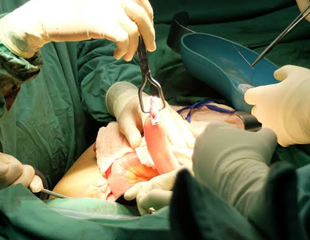
Dr. Jaydeep H. Palep specialises in laparoscopic and robotic-assisted colonic surgery, providing expert surgical management for a range of conditions affecting the colon.
Understanding Colonic Surgery
What Is Colonic Surgery?
Colonic surgery refers to any surgical procedure performed on the large intestine (colon). Depending on the condition being treated, surgery may involve removing a diseased segment of the colon (colectomy), creating a temporary or permanent stoma, or performing other repairs to restore normal bowel function.
The extent of surgery depends on the underlying diagnosis, the location and severity of the disease and the patient's overall health.
Types of Colonic Surgeries
Surgical Procedures for Colon Conditions
1. Colectomy (Partial or Total)
A colectomy involves the removal of part or all of the colon. A partial (segmental) colectomy removes the affected section of the colon, while a total colectomy involves removal of the entire large intestine.
After removing the diseased segment, the remaining ends of the bowel may be joined together (anastomosis) or a stoma may be created, depending on the clinical situation.
Laparoscopic and robotic-assisted colectomy approaches are available for appropriate patients, offering the potential for less post-operative discomfort and faster return to daily activities.
2. Right Hemicolectomy
Right hemicolectomy involves the surgical removal of the right side of the colon, including the caecum, ascending colon and a portion of the transverse colon. It may be performed for conditions such as right-sided colonic polyps or localised colonic disease in this region.
3. Left Hemicolectomy
Left hemicolectomy involves the removal of the left side of the colon, including part of the transverse colon and the descending colon. It may be performed for conditions affecting this segment of the large bowel.
4. Sigmoid Colectomy
Sigmoid colectomy involves removing the sigmoid colon, the S-shaped section of the large intestine that connects to the rectum. It is commonly performed for conditions such as complicated diverticular disease of the sigmoid colon or other sigmoid pathology.
5. Surgery for Diverticular Disease
Diverticular disease occurs when small pouches (diverticula) form in weakened areas of the colon wall. When these pouches become inflamed or infected (diverticulitis) and lead to complications such as perforation, abscess or fistula formation, surgical intervention may be required.
Elective surgery may also be recommended for patients with recurrent episodes of diverticulitis to prevent further complications.
6. Surgery for Colonic Polyps
Colonic polyps are growths on the inner lining of the colon. Many polyps can be removed endoscopically; however, large, complex or incompletely removed polyps may require surgical resection to ensure complete removal and prevent potential progression.
7. Surgery for Colonic Volvulus
Colonic volvulus occurs when a segment of the colon twists around itself, causing obstruction and potentially compromising its blood supply. Surgical correction may be required when endoscopic management is not feasible or when complications such as bowel ischaemia are present.
8. Stoma Formation and Reversal
A stoma may be created as part of colonic surgery when the bowel needs to rest and heal, or when it is not safe to reconnect the bowel ends at the time of surgery. A temporary stoma may subsequently be reversed once healing is confirmed and conditions are suitable for bowel reconnection.
Conditions Treated with Colonic Surgery
-
Diverticular Disease: Including complicated diverticulitis with perforation, abscess or fistula formation.
-
Benign Colonic Polyps: Large or complex polyps not suitable for endoscopic removal.
-
Inflammatory Bowel Disease (IBD): Selected surgical management of Crohn's disease or ulcerative colitis affecting the colon when medical treatment is insufficient or complications arise.
-
Colonic Volvulus: Twisting of a segment of the colon causing obstruction or ischaemia.
-
Benign Colonic Strictures: Narrowing of the colon causing obstructive symptoms requiring surgical correction.
-
Colonic Fistula: Abnormal connections between the colon and adjacent structures due to inflammatory or other benign conditions.
Benefits of Minimally Invasive Colonic Surgery
-
Smaller Incisions: Laparoscopic and robotic approaches involve only small incisions, reducing surgical trauma to the abdominal wall.
-
Shorter Hospital Stay: Minimally invasive procedures are associated with earlier discharge compared to open surgery in suitable patients.
-
Faster Recovery: Patients may return to normal activities sooner following minimally invasive colonic surgery.
-
Reduced Post-operative Pain: Smaller incisions and reduced tissue trauma are generally associated with less post-operative discomfort.
-
Enhanced Visualisation: Robotic-assisted surgery provides three-dimensional, magnified visualisation to support precise dissection and anastomosis.
The appropriateness of a minimally invasive approach is determined individually based on the procedure required, the underlying condition and the patient's overall health. A detailed clinical evaluation is essential before recommending the most suitable surgical approach.
Recovery After Colonic Surgery
Post-Operative Care and Follow-Up
Recovery after colonic surgery depends on the type and extent of the procedure. Following laparoscopic or robotic colonic surgery, most patients experience a gradual return of bowel function and are progressed through a staged dietary plan as tolerated.
Patients are advised to follow post-operative dietary and activity guidelines provided by the treating team. Regular follow-up appointments are important to monitor recovery, bowel function and any further management requirements.