Gallbladder Surgery
Gallbladder Surgery
The gallbladder is a small organ located beneath the liver that stores bile, a digestive fluid produced by the liver. When the gallbladder develops problems such as gallstones, inflammation or infection, surgical removal may be required to relieve symptoms and prevent complications.
Cholecystectomy, the surgical removal of the gallbladder, is one of the most commonly performed abdominal surgeries. It can be carried out using minimally invasive laparoscopic techniques or, in selected cases, robotic-assisted approaches.
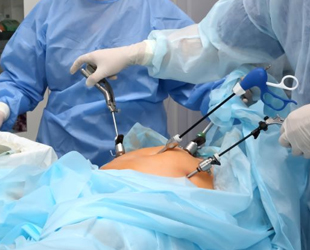
Dr. Jaydeep H. Palep specialises in laparoscopic and robotic-assisted gallbladder surgery, focusing on precise, minimally invasive approaches that aim to reduce surgical trauma and support recovery.
Understanding Gallbladder Surgery
What Is Gallbladder Surgery?
Gall bladder usually has to be removed surgically for gall stone disease (Cholecystitis- inflammation of the gall bladder) or malignancy (cancer) of the gall bladder.
Types of Gallbladder Surgery
Surgical Approaches for Gallbladder Removal
1. Laparoscopic Cholecystectomy
Laparoscopic cholecystectomy is the most common approach for gallbladder removal. Small incisions are made in the abdomen, through which a camera and surgical instruments are inserted to perform the procedure.
This minimally invasive technique is associated with smaller incisions compared to open surgery and generally allows patients to return to normal activities sooner.
2. Robotic-Assisted Cholecystectomy
Robotic assisted cholecystectomy is usually preferred when a difficult cholecystectomy is anticipated. Usually in patients who have suffered repeated attacks of gall stones Cholecystitis or for gall bladder cancer surgery.
3. Open Cholecystectomy
Open cholecystectomy may be required in certain situations, such as when laparoscopic access is not feasible, or when complications are encountered during a minimally invasive procedure. A larger abdominal incision is made to access and remove the gallbladder.
Conditions Treated with Gallbladder Surgery
When Is Gallbladder Surgery Recommended?
Gallbladder surgery may be recommended for individuals with:
-
Acute Cholecystitis: Inflammation of the gallbladder, often caused by a blocked bile duct due to gallstones, resulting in severe abdominal pain, fever and nausea.
-
Chronic Cholecystitis: Recurring episodes of gallbladder inflammation causing persistent symptoms over time.
-
Gallbladder Polyps: Growths on the gallbladder wall that may require removal in certain cases depending on size and characteristics.
-
Gallbladder Carcinoma (Cancer): Gallbladder carcinoma is a rare, aggressive cancer that usually develops silently in its early stages and is most commonly discovered incidentally during surgery for gallstones.
-
Biliary Dyskinesia: A condition where the gallbladder does not empty properly, causing pain and digestive discomfort.
Benefits of Laparoscopic Gallbladder Surgery
Advantages of a Minimally Invasive Approach
-
Smaller Incisions: Laparoscopic surgery requires only small incisions compared to traditional open surgery.
-
Reduced Hospital Stay: Many patients are able to return home within a day or two following laparoscopic cholecystectomy.
-
Quicker Recovery: Minimally invasive approaches are generally associated with faster return to routine activities.
-
Less Post-operative Discomfort: Smaller incisions may result in reduced post-operative pain compared to open surgery.
Individual outcomes vary based on the patient's health condition, the nature of the gallbladder disease and the surgical approach used.
Recovery After Gallbladder Surgery
What to Expect After Surgery
Recovery following laparoscopic cholecystectomy is generally faster than open surgery. Patients are typically able to resume light activities within a few days and return to normal routines within one to two weeks, as guided by their treating surgeon.
Dietary adjustments may be recommended in the initial period after surgery. A gradual return to a regular diet is usually possible as the body adapts to functioning without the gallbladder.
Follow-up appointments are important to monitor recovery and address any concerns that may arise after surgery.