Other Stomach Surgeries
Other Stomach Surgeries
The stomach is a complex digestive organ that can be affected by a range of conditions requiring surgical intervention beyond the more commonly known procedures. Advances in minimally invasive surgical techniques — including laparoscopic and robotic-assisted approaches — have expanded the ability to manage many of these conditions with less surgical trauma and faster recovery.
Dr. Jaydeep H. Palep offers surgical management for a variety of gastric conditions, applying expertise in advanced minimally invasive surgery to deliver precise, individualised care.
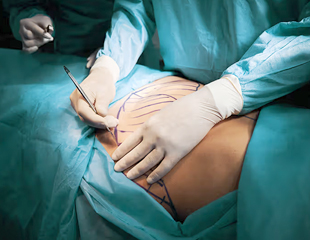
Surgical Procedures for Gastric Conditions
Comprehensive Stomach Surgery Options
Several surgical procedures may be performed to manage conditions affecting the stomach and upper gastrointestinal tract. The choice of procedure depends on the underlying diagnosis, disease severity and individual patient factors assessed during consultation.
Types of Stomach Surgeries
1. Fundoplication (Anti-Reflux Surgery)
Fundoplication is a surgical procedure performed to treat gastro-oesophageal reflux disease (GORD) and hiatal hernia. The upper part of the stomach (fundus) is wrapped around the lower oesophagus to reinforce the lower oesophageal sphincter and prevent acid from flowing back into the oesophagus.
Laparoscopic fundoplication is a minimally invasive approach associated with smaller incisions and faster recovery compared to open surgery in appropriate candidates.
2. Gastrectomy (Partial or Total)
Gastrectomy involves the surgical removal of part (partial gastrectomy) or all (total gastrectomy) of the stomach. It may be performed for conditions such as severe peptic ulcer disease with complications, benign gastric tumours or selected gastric conditions requiring operative management.
Both laparoscopic and robotic-assisted approaches may be considered in suitable patients to reduce surgical trauma and support recovery.
3. Gastric Volvulus Repair
Gastric volvulus is an uncommon condition in which the stomach rotates abnormally, potentially compromising its blood supply. Surgical correction involves returning the stomach to its normal position and securing it to prevent recurrence.
4. Surgery for Gastric Outlet Obstruction
Gastric outlet obstruction occurs when the passage between the stomach and the small intestine becomes blocked, preventing normal emptying of stomach contents. Surgical bypass procedures may be considered in selected patients where endoscopic or medical treatment is not appropriate or sufficient.
5. Stomach Polyp Removal
Gastric polyps are growths that develop on the inner lining of the stomach. While many are benign and managed endoscopically, larger or complex polyps may require surgical removal depending on their type, size and characteristics.
6. Surgery for Achalasia and Oesophago-Gastric Junction Conditions
Heller myotomy is a surgical procedure for achalasia, a condition in which the lower oesophageal sphincter fails to relax properly, preventing food from passing into the stomach. This procedure can often be performed laparoscopically, and is frequently combined with a partial fundoplication to prevent post-operative reflux.
Benefits of Minimally Invasive Stomach Surgery
Why Choose a Laparoscopic or Robotic Approach?
-
Smaller Incisions: Minimally invasive surgery requires only small incisions compared to traditional open surgery, reducing surgical trauma.
-
Shorter Hospital Stay: Patients undergoing laparoscopic or robotic procedures are generally able to return home sooner.
-
Faster Recovery: Smaller incisions and reduced surgical trauma support a quicker return to routine activities.
-
Reduced Post-operative Discomfort: Less surgical trauma is generally associated with lower levels of post-operative pain.
-
Enhanced Precision: Robotic-assisted surgery offers three-dimensional visualisation and precise instrument control, supporting accurate dissection and repair.
The suitability of a minimally invasive approach depends on the specific procedure, the underlying condition and the patient's individual health status. A thorough consultation and clinical assessment are required to determine the most appropriate surgical option.
Recovery After Stomach Surgery
What to Expect After Your Procedure
Recovery timelines vary depending on the procedure performed and individual patient factors. Following minimally invasive stomach surgery, patients are generally guided through a staged dietary progression, starting with liquids and gradually advancing to soft and then regular foods as tolerated.
Follow-up appointments are important to monitor healing, assess nutritional status and address any post-operative concerns. The treating team will provide specific guidance based on the procedure performed and individual recovery progress.