Colorectal Surgery
Colorectal Surgery
Colorectal surgery encompasses surgical procedures performed on the colon, rectum and anus. It addresses a wide range of conditions — from benign disorders such as haemorrhoids, fissures and fistulas to more complex conditions involving inflammatory bowel disease and benign rectal prolapse.
With the development of laparoscopic and robotic-assisted surgical platforms, many colorectal procedures can now be performed using minimally invasive techniques, allowing for greater precision, smaller incisions and improved patient recovery experiences.
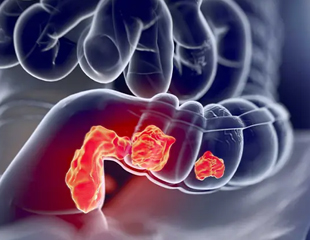
Dr. Jaydeep H. Palep offers specialised colorectal surgical care with expertise in advanced minimally invasive approaches, providing individually tailored treatment for a range of colorectal conditions.
Understanding Colorectal Surgery
What Is Colorectal Surgery?
Colorectal surgery involves operative procedures on the lower gastrointestinal tract — specifically the colon (large intestine), rectum and anal canal. The scope of colorectal surgery includes both abdominal procedures and anorectal procedures, depending on the nature and location of the condition being treated.
Surgery may be performed electively for planned management of a chronic condition, or on an urgent basis when complications such as obstruction, perforation or severe bleeding arise.
Types of Colorectal Surgery
Surgical Procedures for Colorectal Conditions
1. Anterior Resection
Anterior resection involves the surgical removal of the upper and middle portions of the rectum, along with the lower part of the sigmoid colon. After resection, the remaining bowel ends are joined together (anastomosis) to restore continuity.
Laparoscopic and robotic-assisted anterior resection techniques are available for suitable patients, offering the advantages of a minimally invasive approach.
2. Low Anterior Resection
Low anterior resection involves removal of the lower rectum, closer to the anal sphincter. This procedure requires a higher level of technical precision to preserve sphincter function. Robotic-assisted surgery may provide enhanced visualisation and instrument control in the confined pelvic space for this procedure.
3. Total Mesorectal Excision (TME)
Total Mesorectal Excision is a precise surgical technique used in rectal surgery that involves removing the rectum along with its surrounding mesorectal tissue as a complete, intact unit. TME is considered the standard surgical approach for rectal conditions requiring operative management, as it aims to reduce local recurrence by achieving clear surgical margins.
4. Abdominoperineal Resection (APR)
Abdominoperineal resection involves the removal of the lower rectum, anal canal and surrounding sphincter muscles when the sphincter cannot be preserved. A permanent colostomy is created as part of this procedure to allow elimination of bowel waste.
5. Surgery for Rectal Prolapse
Rectal prolapse occurs when part or all of the rectal wall protrudes through the anal opening. Surgical repair may be performed either abdominally (rectopexy) or through the perineal route, depending on the type and extent of prolapse and the patient's clinical status.
Laparoscopic and robotic-assisted rectopexy are minimally invasive options that may be appropriate for suitable patients.
6. Surgery for Diverticular Disease of the Colon
Complicated diverticular disease affecting the colon may require sigmoid colectomy or other resections to remove the diseased segment and restore bowel continuity. This may be performed electively or as an emergency procedure depending on the clinical presentation.
7. Surgery for Inflammatory Bowel Disease (IBD)
Surgical management may be required for selected patients with Crohn's disease or ulcerative colitis when medical treatment is insufficient or when complications such as fistula, abscess, stricture or perforation develop.
Procedures may include bowel resection, strictureplasty or proctocolectomy with ileal pouch-anal anastomosis (IPAA), depending on the disease location and extent.
8. Anorectal Surgery
Anorectal procedures address conditions affecting the anal canal and rectum. These include:
-
Haemorrhoidectomy: Surgical removal of haemorrhoids that do not respond to non-surgical treatments.
-
Fistula-in-Ano Surgery: Surgical management of anal fistulas, which are abnormal tunnels connecting the anal canal to the skin surrounding the anus.
-
Anal Fissure Surgery: For chronic anal fissures that have not responded to conservative or medical management.
-
Perianal Abscess Drainage: Surgical drainage of an abscess in the perianal or ischiorectal region.
-
Pilonidal Sinus Surgery: Surgical management of pilonidal sinus disease affecting the natal cleft.
9. Stoma Surgery
A stoma — either a colostomy or ileostomy — may be created as a planned or unplanned part of colorectal surgery. It may be temporary (allowing the bowel to rest and heal) or permanent, depending on the nature of the surgery and the clinical situation.
Stoma reversal may be performed at a later stage when healing is confirmed and clinical conditions are appropriate for bowel reconnection.
Conditions Treated with Colorectal Surgery
-
Rectal Prolapse: Protrusion of the rectal wall through the anal opening requiring surgical correction.
-
Diverticular Disease: Including complicated diverticulitis with perforation, abscess, obstruction or fistula.
-
Inflammatory Bowel Disease: Surgical management of Crohn's disease and ulcerative colitis when required.
-
Haemorrhoids: Symptomatic haemorrhoids requiring surgical intervention.
-
Anal Fistula: Abnormal tracts connecting the anal canal to the perianal skin.
-
Chronic Anal Fissure: Persistent anal fissure not responding to non-surgical treatment.
-
Perianal Abscess: Infection forming an abscess in the perianal or ischiorectal region.
-
Pilonidal Sinus Disease: Recurrent or complex pilonidal sinus requiring surgical management.
-
Benign Colonic and Rectal Polyps: Large or complex polyps not amenable to endoscopic removal.
Benefits of Minimally Invasive Colorectal Surgery
-
Smaller Incisions: Laparoscopic and robotic techniques require only small incisions, reducing the impact on the abdominal wall.
-
Shorter Hospital Stay: Minimally invasive surgery is generally associated with earlier discharge compared to open surgery.
-
Faster Return to Normal Activities: Smaller incisions and reduced surgical trauma support quicker recovery.
-
Enhanced Precision in the Pelvis: Robotic-assisted surgery offers three-dimensional visualisation and precise instrument movement, which can be particularly beneficial in the confined pelvic space for rectal procedures.
-
Reduced Blood Loss: Minimally invasive approaches can be associated with less intraoperative blood loss in suitable cases.
The appropriateness of each approach is assessed individually. A thorough consultation and clinical evaluation are essential to determine the optimal surgical strategy for each patient.
Recovery After Colorectal Surgery
Post-Operative Care and Follow-Up
Recovery following colorectal surgery varies depending on the type and extent of the procedure. Enhanced Recovery After Surgery (ERAS) protocols are used where appropriate to support faster recovery and return of bowel function.
Patients are guided through a progressive dietary plan following surgery, beginning with liquids and advancing as bowel function returns. For patients with a stoma, specialist stoma care nursing support is provided to assist with management and education.
Regular follow-up appointments are essential to monitor healing, bowel function and any ongoing management requirements specific to the procedure performed.